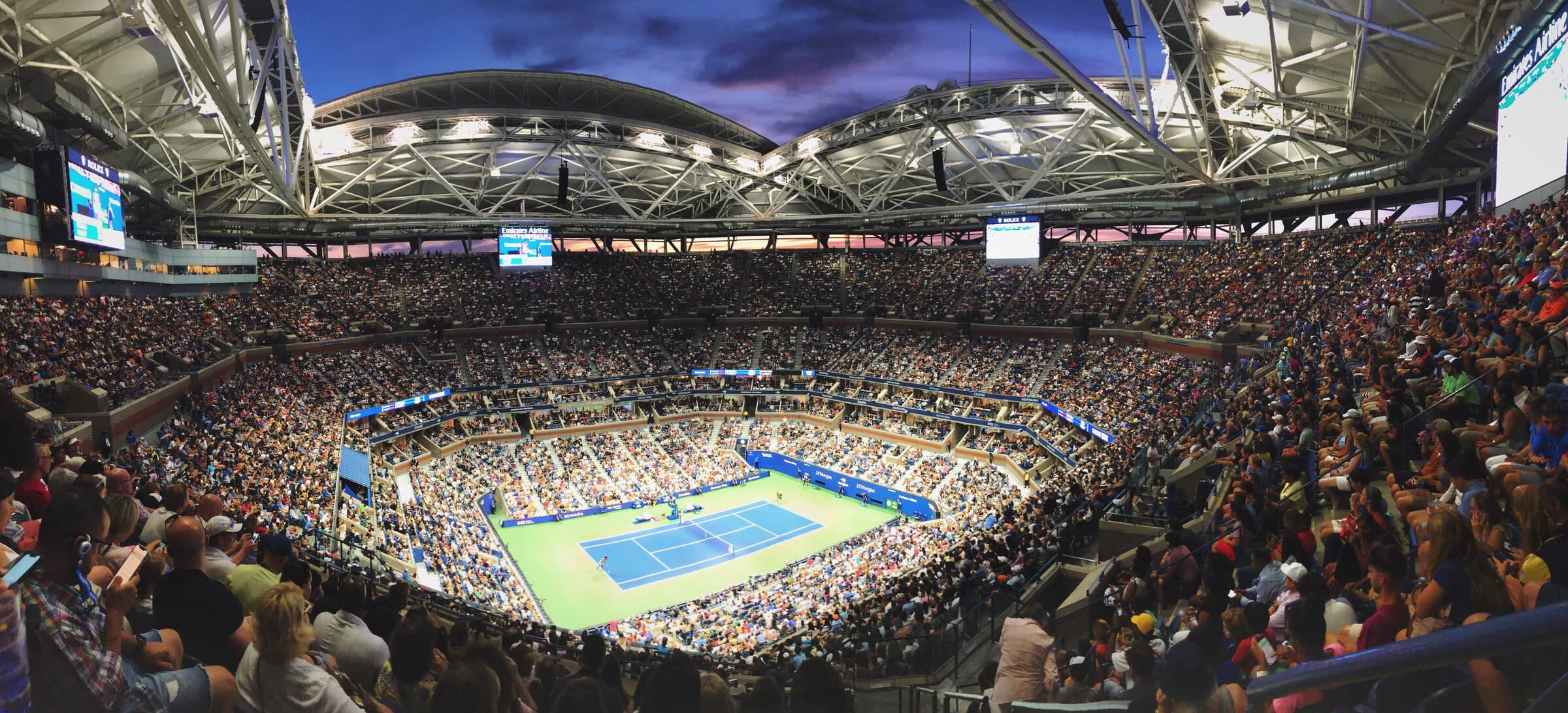
The US Open night session is broken. Fixing it is not complicated.
A top seed joked about going to a bar because he had finished before midnight. Five of the first seven night sessions on Arthur Ashe Stadium ended after 1 a.m. The tournament has known the fix for years and keeps choosing discretion over a rule.

- Published
- Data as of
Alexander Zverev won his fourth-round match at the US Open on Monday and then told the crowd on Arthur Ashe Stadium that he was at a loss. "I don't know what to do with myself, because it's before midnight," he said, according to Sky Sports. "I might go to a practice court, or a bar... that was a joke, so relax."
The top seed at a Grand Slam tournament had played four night sessions in a row, and finishing before midnight was unusual enough to joke about. That is the state of the US Open's evening schedule in 2026, and the tournament has known for at least two years how to change it.
I watch this tournament from Germany, where a 2 a.m. finish in New York is 8 a.m. I get the ends of these matches over breakfast, which is a minor inconvenience next to what is asked of the players, and it is the reason I have been paying attention to the finish times.
The pattern
The 2022 quarterfinal between Carlos Alcaraz and Jannik Sinner ended at 2:50 a.m. and is still remembered because it was exceptional. What is happening this year is not exceptional. It is the schedule working as designed. These are the first seven night sessions on Ashe, with finish times in New York, as compiled by EssentiallySports and, for Saturday, reported by Sky Sports.
| Night | Last match | Finish |
|---|---|---|
| Sunday 30 August | Kenin d. V. Williams | 2:01 a.m. |
| Monday 31 August | Osaka d. Zakharova | 12:26 a.m. |
| Tuesday 1 September | Zverev d. Sonego | 1:55 a.m. |
| Wednesday 2 September | Alcaraz d. Faria | 11:15 p.m. |
| Thursday 3 September | Zverev d. Halys | 2:15 a.m. |
| Friday 4 September | Shelton d. Shapovalov | 2:07 a.m. |
| Saturday 5 September | Zverev d. Tabilo | 1:09 a.m. |
Five of the seven ended after 1 a.m., three of them after 2 a.m. On the opening night Venus Williams and Sofia Kenin walked on court at 12:13 a.m., the latest start in the tournament's history, because Novak Djokovic had just lost a first-round match lasting four hours and 36 minutes. Zverev's first-round win took four hours and 53 minutes. Two nights later he was back for another four and a half hours, and summed it up on court afterwards: "2:15 a.m. again."
Who pays
The players first. "I think everybody's tired," Zverev said after the Sonego match, according to the Associated Press. "Everybody wants to go to sleep." Ben Shelton, who finished at 2:07 a.m., estimated he would be in bed around 5 a.m. Jessica Pegula put the question the tournament should be asking itself: "You have to wonder if it's really the right thing for players to be finishing at 2 a.m."
Then the people in the stands. The AP's headline was "Empty seats, tired stars", and it describes Zverev taking two questions on court after his opener, surrounded by empty seats, and quickly wrapping up.
Then the television audience, which is the stated reason for the whole arrangement. Pegula again: "I'm not watching on TV. I'm sleeping. Some people stay, but there is a lot of people that need to go home." Venus Williams said she did not know "any other sport where you have to start that late." Boris Becker, as quoted by EssentiallySports: "That's simply too late to play tennis... tell me another sport like that?!?"
Why it happens
The night session on Ashe starts at 7 p.m. with two singles matches, a women's and a men's. Martina Navratilova did the arithmetic on Sky Sports after the Williams match, as reported by TennisUpToDate: "Even if you put the women's match on first and it's three sets, the guys start by 10pm. If a men's match goes five sets, you start at midnight." Add a day session that runs long, so the night session cannot start on time, and the table above follows.
None of this is news to the tournament. In August 2024 the USTA announced it would not introduce a curfew but would give the referee "discretion" to move the second night match to another court if it had not started by 11:15 p.m., "as long as they could do so". Tournament director Stacey Allaster explained the conditions: broadcast crews, ball crews, "many variables". The same article notes that the ATP and WTA tours had by then adopted their own late-night rules, under which no match is meant to go on court after 11 p.m. without the supervisor's approval, and that those rules do not bind the Grand Slams. What the US Open adopted is a start cutoff with an exception, not a curfew. Two years on, discretion has produced the table above.
Others manage
Wimbledon has an 11 p.m. curfew. It was not the club's idea: Merton Council attached it to the planning permission for the Centre Court roof in 2009, to protect residents and get spectators home by public transport. Matches that reach it are suspended and finished the next day, and the tournament is none the worse for it. Roland Garros schedules a single match in its night session, as the AP notes.
The fix
Three changes, none of them new.
- One singles match per night session on Ashe, or a men's singles followed by doubles. Navratilova's version: "I think they should play men's singles and then maybe a doubles match." A doubles match has a predictable length. A second best-of-five singles does not.
- A rule, not discretion. Nothing starts on Ashe after 11 p.m. If the second match has not begun, it moves to Louis Armstrong Stadium or the Grandstand automatically, and everyone knows this in advance. The broadcaster can plan for it. The ball crew can plan for it. Allaster's "many variables" are variables only because the decision is taken at 11:14.
- Protect the night session's start. If the day session on Ashe runs past 6:30 p.m., its remaining match moves, not the night session. The 7 p.m. start is the one commitment the tournament has made to the people who bought night tickets.
The objection is that night-session ticket holders bought two matches and broadcasters bought prime time. Neither is served by a match that ends at 2 a.m. The ticket holder has gone home. The prime-time audience is asleep, as Pegula says. And the player who wins gets to bed at 5 a.m. and is back on court two days later.
Navratilova wrote on X last week: "This is not sustainable." The fix has been on the table since at least 2024. The US Open should adopt it before its next night session.
Sources
Material claims in this article are supported by the following sources.
- 01Sky Sports · US Open 2026: Alexander Zverev reaches quarter-finals in rare pre-midnight finish in New Yorkpublished · retrieved
- 02EssentiallySports (via Yahoo Sports) · "Not Sustainable" — Martina Navratilova & Boris Becker Unite To Call Out US Open Chaospublished · retrieved
- 03Associated Press (via Inquirer.net) · Empty seats, tired stars: US Open post-2 am finishes spark pushbackpublished · retrieved
- 04TennisUpToDate (via Yardbarker) · 'Tennis is the only sport that does this' - Martina Navratilova calls for rule change after 'crazy' midnight shenanigans at Flushing Meadowspublished · retrieved
- 05Ubitennis · US Open To Relax Scheduling Rule In Bid To Reduce Late Finishespublished · retrieved
- 06Wikipedia · Wimbledon Championships (section on the 11 pm curfew)retrieved
- 07ATP Tour · Alexander Zverev survives 4hr 53min first-round scare at US Openpublished · retrieved
- 08ATP Tour · Alexander Zverev wins second straight five-setter at US Openpublished · retrieved
- 09ATP Tour · What is the US Open schedule? (Monday 7 September order of play)published · retrieved
Related reading
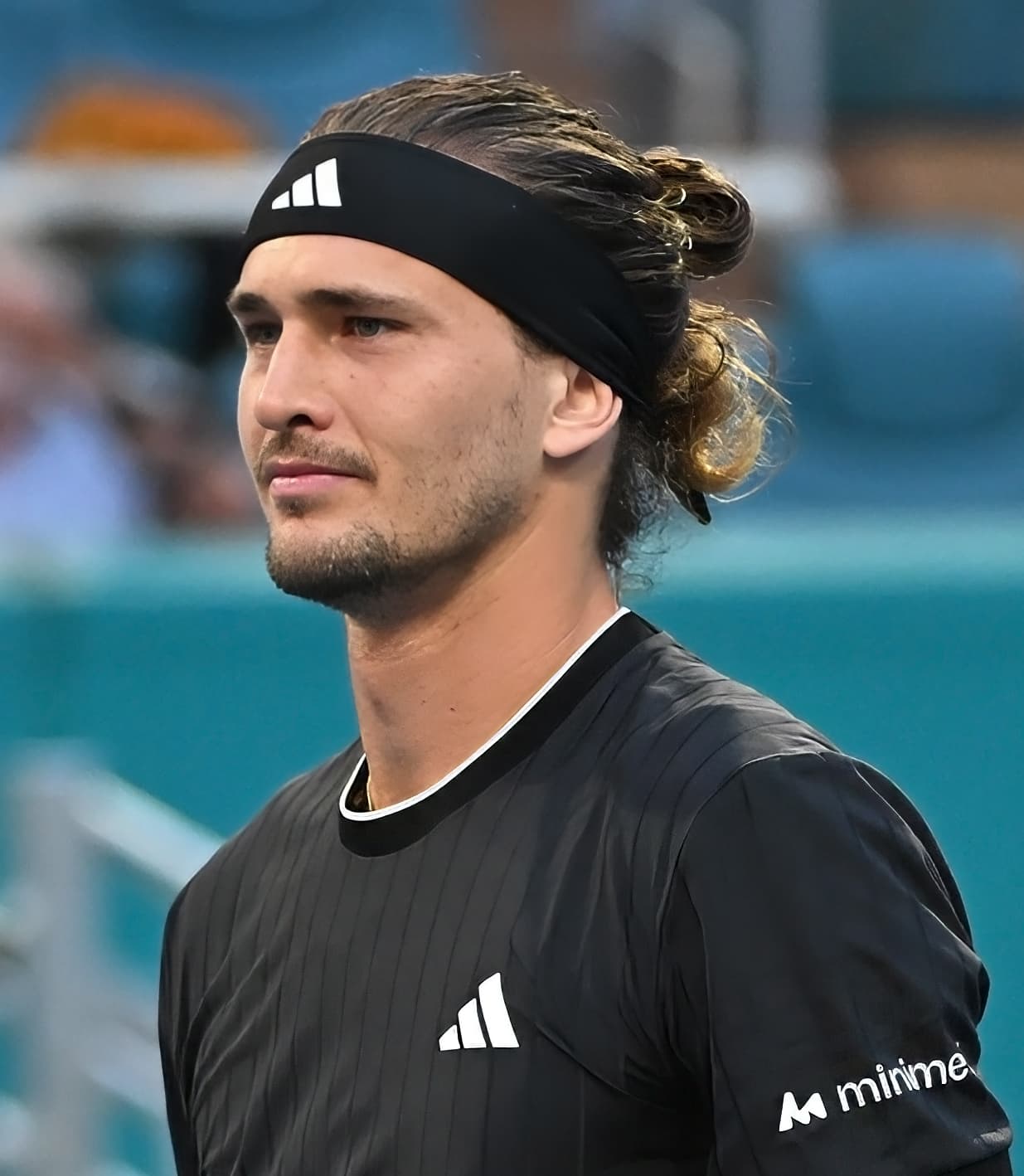
Zverev reaches the US Open quarterfinals, the only man in the last eight at all four majors this year
The top seed beat Luciano Darderi 6-2, 6-2, 7-6 (3) on Monday and, for the first time this tournament, finished before midnight. Next is Botic van de Zandschulp, who saved a match point in a five-hour win and has beaten Alcaraz in New York before.

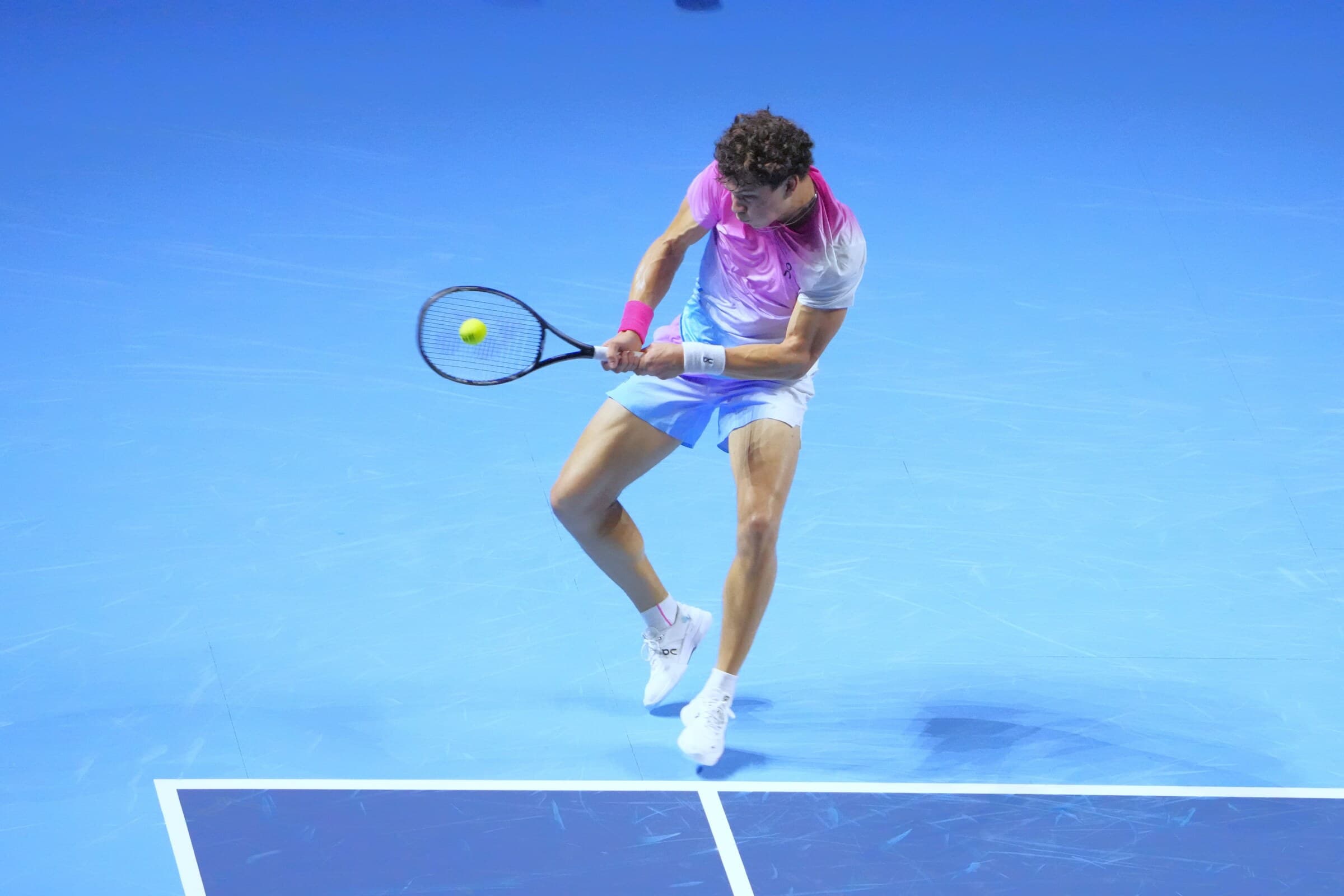
Shelton beats Alcaraz at 3:33 a.m., the latest finish in US Open history
The eighth seed won 6-7 (5), 6-1, 6-3, 1-6, 7-6 (10-7) in four hours and 28 minutes, his first win over a top-three player. Alcaraz's comeback from a wrist injury ends in the quarterfinals. Shelton plays Frances Tiafoe on Friday.